
Getting Guidance
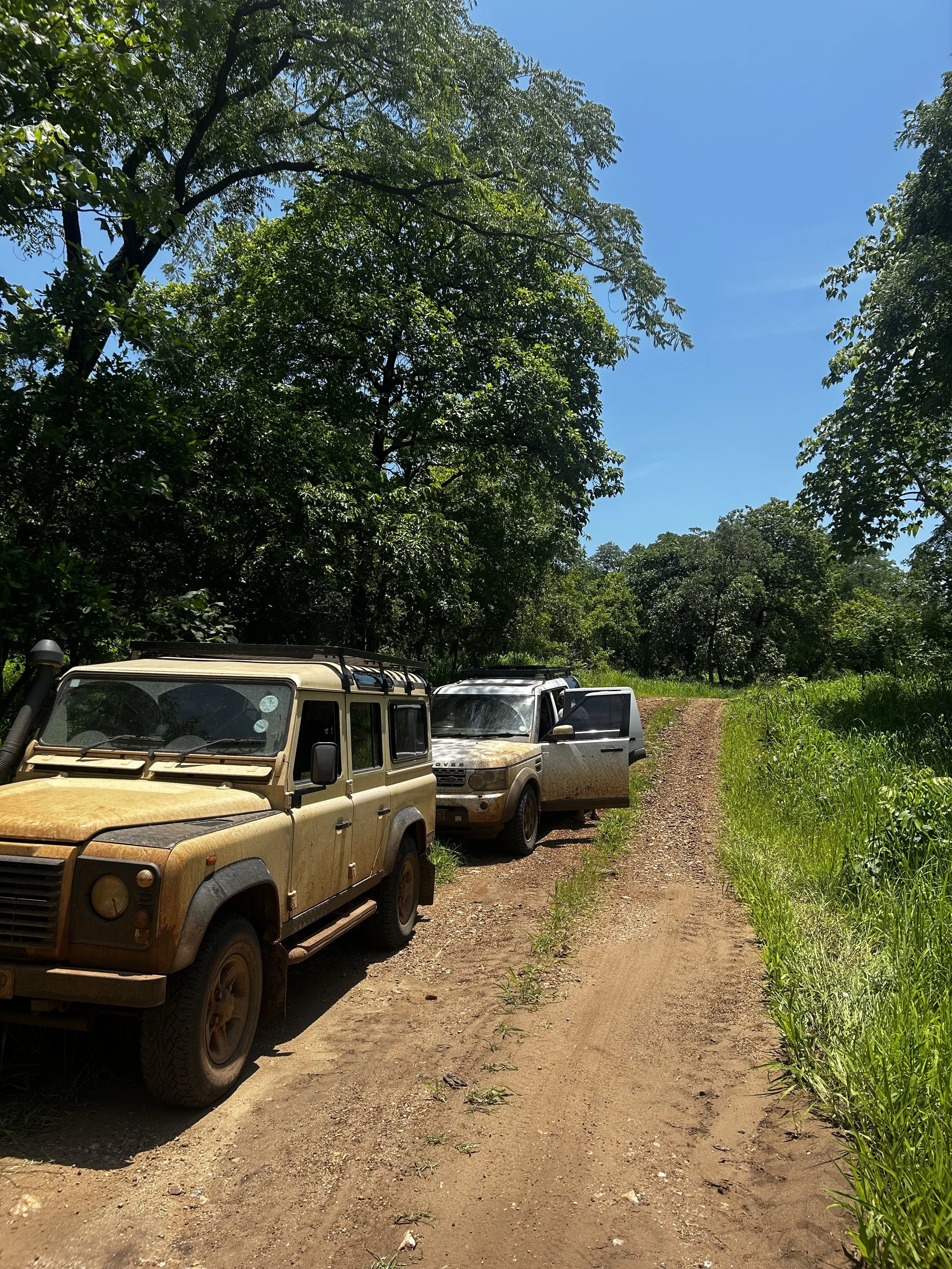
Bringing our cars from South Africa felt like the obvious choice.
Cars are expensive locally, and we already had vehicles we trusted, so it seemed like a smart, cost-effective decision.
What we didn’t anticipate… was the admin.
We’ve now done this three different ways, two temporary imports and one full import and the reality is this: importing a car into Zambia is not difficult, but it is admin-intensive.
It also resulted in a lot of guidance… and then more guidance. Everyone is incredibly helpful, don’t get me wrong, but I found myself shuttling between the Lusaka Ports and Custom Authority and ZRA headquarters.
And if I got one more phone call or sat through another “madam, let me give you some guidance”… I was very close to just driving back over the border.
The challenge is that there are processes, procedures, and steps that simply can’t be missed. And not all of the information is clearly laid out upfront in a neat “to-do” list. Instead, only bit by bit, as you get more guidance, does the way forward slowly reveal itself.
In hindsight, the easiest option would have been to fully import all the cars. The temporary routes ended up costing us more - in time, money, and sanity.
If you’re considering doing the same, here are a few things to think about.
This isn’t advice, just our experience. And, of course, hindsight is always 20/20.
One important note: if you’re on a work permit, there is an exemption that allows you to bring in one vehicle within six months without paying duty. We did try to go this route, but it resulted in our vehicle being stuck at the Kazungula border for three weeks, going back and forth through the process. In the end, we chose to pay the full duty just to get our car back.
Temporary options we used
1. Entering Zambia on an IBDF (0–30 days)
The IBDF is the standard route for tourists, visitors, or business travellers bringing a foreign vehicle into Zambia for a short stay.
You complete the Integrated Border Declaration Form (either electronically or at the border), providing your personal, travel, and vehicle details.
This gives you a temporary entry permit (similar to a customs release) for up to 30 days, with the option to extend twice—giving you a maximum of 90 days in-country.
Practical tip: Have a police clearance certificate for your vehicle. While not officially listed as a requirement, we were asked for it.
Clearing two cars at Kazungula (March 2025) took us about three hours. If you’re entering on a tourist visa, it will likely be quicker.
2. Extending your IBDF (additional 30 days)
You can apply for an extension before your initial IBDF period expires.
In practice, this is done at your nearest customs office, and the vehicle must be presented for inspection.
The request needs to be made in writing, with reasons for the extended stay. If approved, you’ll receive an additional 30 days.
ZRA’s processing is generally straightforward when all requirements are met.
Important: Don’t let your IBDF expire. Penalties can include fines or even vehicle seizure.
We found the staff at the Lusaka Customs Port office incredibly helpful, this part of the process was quick and easy.
3. Moving from IBDF to a Temporary Import Permit (TIP)
If your IBDF period is ending or you need a longer-term solution you can apply for a Temporary Import Permit (TIP).
a) Write to the Commissioner General
ZRA requires a written application to the Commissioner General requesting the conversion from IBDF to TIP.
This letter:
Can be handwritten or typed
Must include:
Full names, passport, and contact details
Your TPIN (tax number)
Vehicle details (make, model, registration, chassis/engine numbers)
IBDF reference and dates
Reason for the request (e.g. long-term work assignment)
The letter must be submitted at ZRA Headquarters (Revenue House, Lusaka).
Note: Officials are helpful, but they follow process strictly. Missing information can delay things.
4. Appointing a clearing agent
Once your request is approved:
You cannot submit the TIP application yourself, it must be done through a registered clearing agent
ZRA does not recommend agents, so you’ll need to find one independently
Make sure your agent is properly licensed and experienced
Costs (as of 2025/26):
TIP application: ~USD 300
Full import assistance: ~ZMW 5,000
The agent will also help calculate duties and taxes which, in our case, were higher than expected.
5. Key ZRA rules to be aware of
Based on ZRA’s temporary importation rules:
TIP applications must be submitted through an agent using the prescribed form (TIP 0001)
You may be asked for:
Proof of ownership/registration
Reason for temporary import (e.g. valid work permit)
Duration of stay
Security for duties/taxes (based on vehicle value)
TIPs are typically valid for up to 12 months initially. Extensions are possible but must be done within the required timelines.
Failure to comply (overstay or failure to exit) can result in penalties under the Customs and Excise Act.
