
Getting to the River
As a South African, your frame of reference for a river is not nothing, but it is limited. Rivers are things you cross, skirt, or occasionally picnic beside. They are practical features of the landscape, not destinations in their own right. And they are certainly not usually spoken about with reverence.
Planning our first trip after relocating, we wanted something that struck a careful balance: minimal admin, enough remoteness to feel like an arrival, and just enough comfort to reassure us that we were, in fact, doing Zambia properly. The river, it seemed, was the answer.
My first instinct, naturally, was to Google it.
Where to stay. What to do. How long to go for. What came back was predictable and dispiriting. Time + Tide. Royal Zambezi. Names synonymous with polished luxury, cinematic game viewing, and nightly rates that suggested we might need to liquidate more than just our savings to afford a family stay.
By the time Tsika Island was mentioned, we already knew this mattered. It came up casually, folded into conversation the way something obvious would be. You should get to the river. Tsika’s nice. Easy enough. The kids will love it.
“Easy” is a relative term, so naturally, I asked questions.
There were a few options for where to park, we were told, and someone would collect us by boat. A few WhatsApp messages later, our “booking” was confirmed. No deposit. No reference number. Just an instruction: call Amos once we turned off at the corner with the baobab.
That was it.
Next came the background intel. The recommendation was to take the back route via Leopards Hill. And this is where I fell back into bad habits. I Googled. I YouTubed. According to the internet, we would need a minimum of three vehicles, advanced recovery gear, and possibly a TBL just to survive the first 10km. Comment sections spoke in hushed tones about impassable roads and serious consequences.
The actual intel, however, was excellent.
The back road is easy, they said. You’ll be there in two and a half hours. Don’t overthink it.
So we packed the car, strapped the kids into the back, and headed south.
The tar road doesn’t last long. It gives way to undulating gravel hills that feel more rural than remote. Nothing obscene. Nothing unmanageable. A few tight hairpins. A descent over the escarpment that reminds you, gently that you are going somewhere else entirely.
There was a slow stop at a flooded section of road, recently and efficiently patched by a few local kids who had clearly turned necessity into enterprise. We thanked them with Cokes and chips, an informal toll that felt entirely fair.
And then almost exactly as promised the banana plantation appeared. Then the baobab.
We turned off. I called Amos.
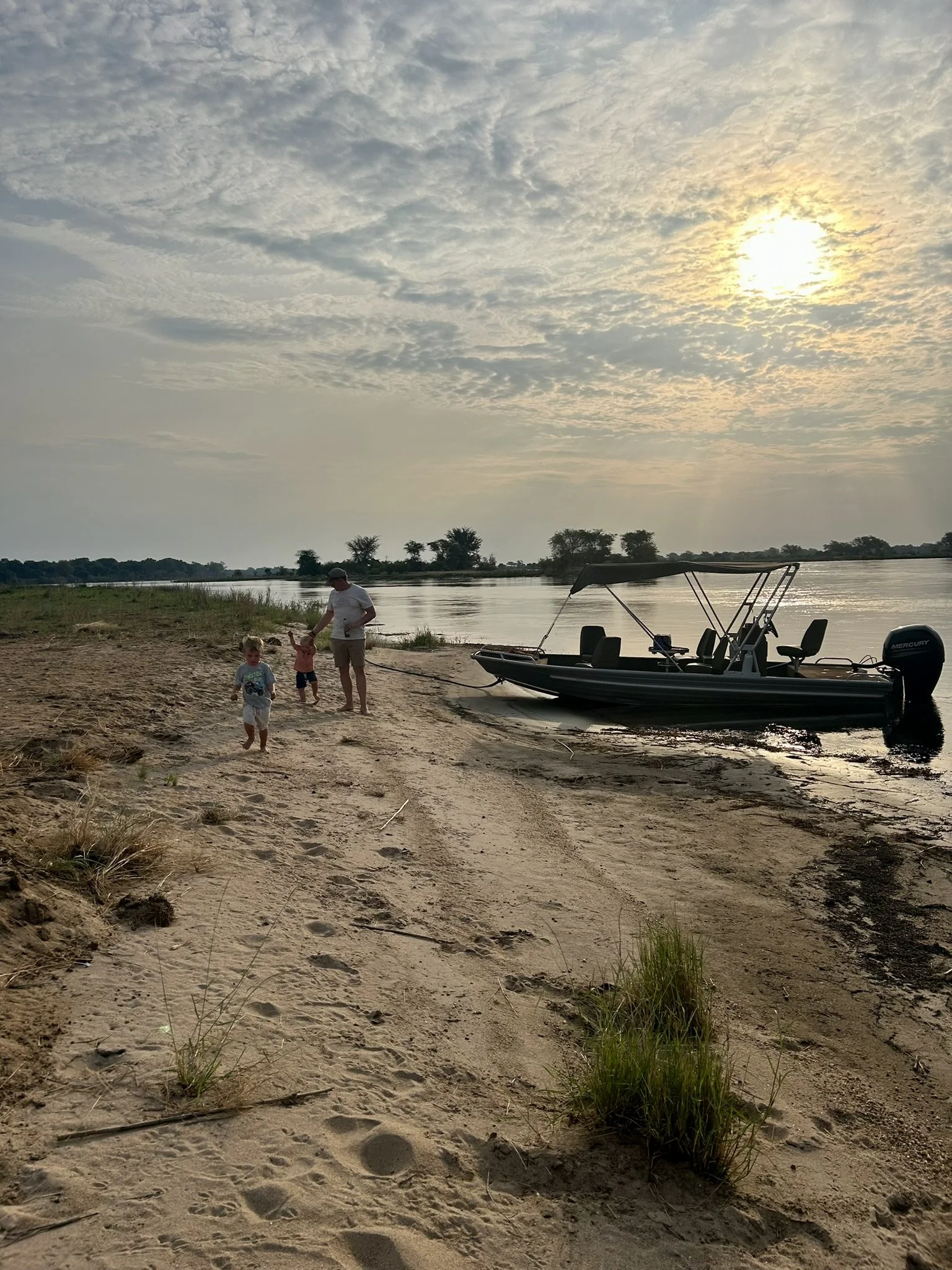
He was already there, waiting with his boat.
No drama. No delay. Just a man, a river, and the quiet confirmation that we had, in fact, arrived.
This is the part travel content rarely captures: the trust involved. The reliance on shared knowledge rather than online validation. The understanding that some places still function perfectly well without digital polish.
Getting to the river wasn’t hard. It just required letting go of the idea that the internet knows best.
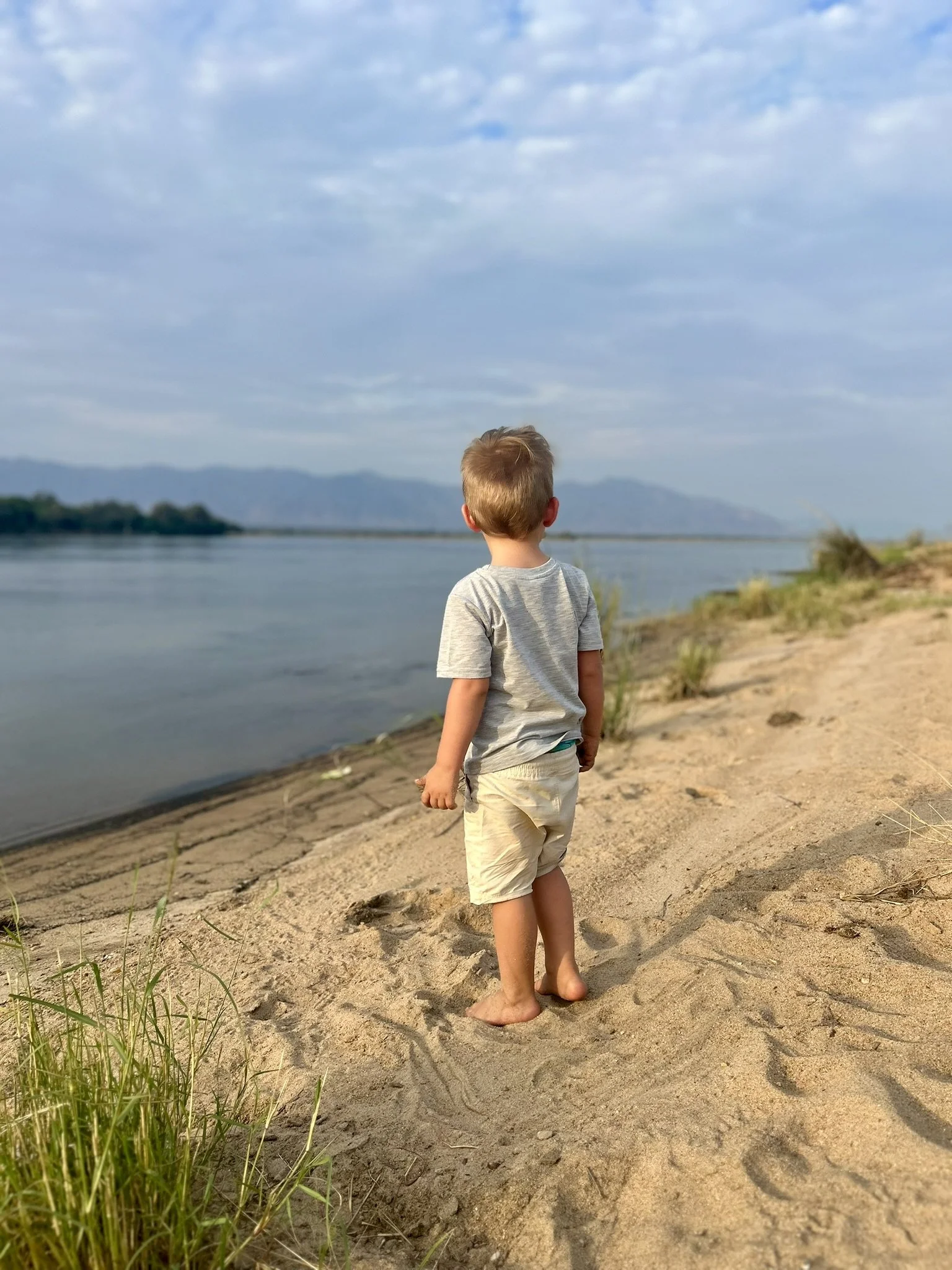
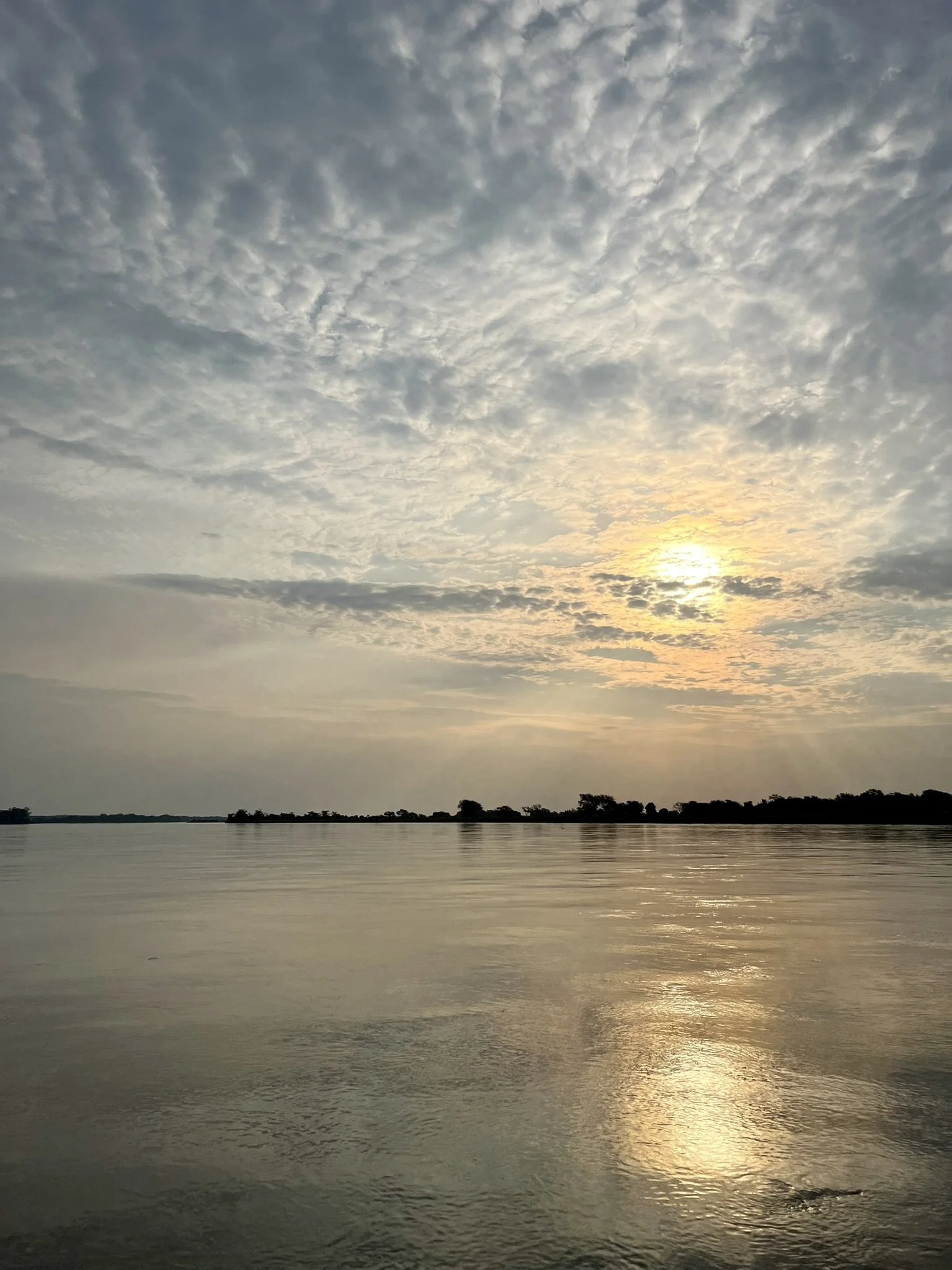
And once you’re standing there, watching the majestic Zambezi flow past with no interest in your arrival, you understand why no one bothers to over-explain it.
You don’t get to a river.
You get to the river.
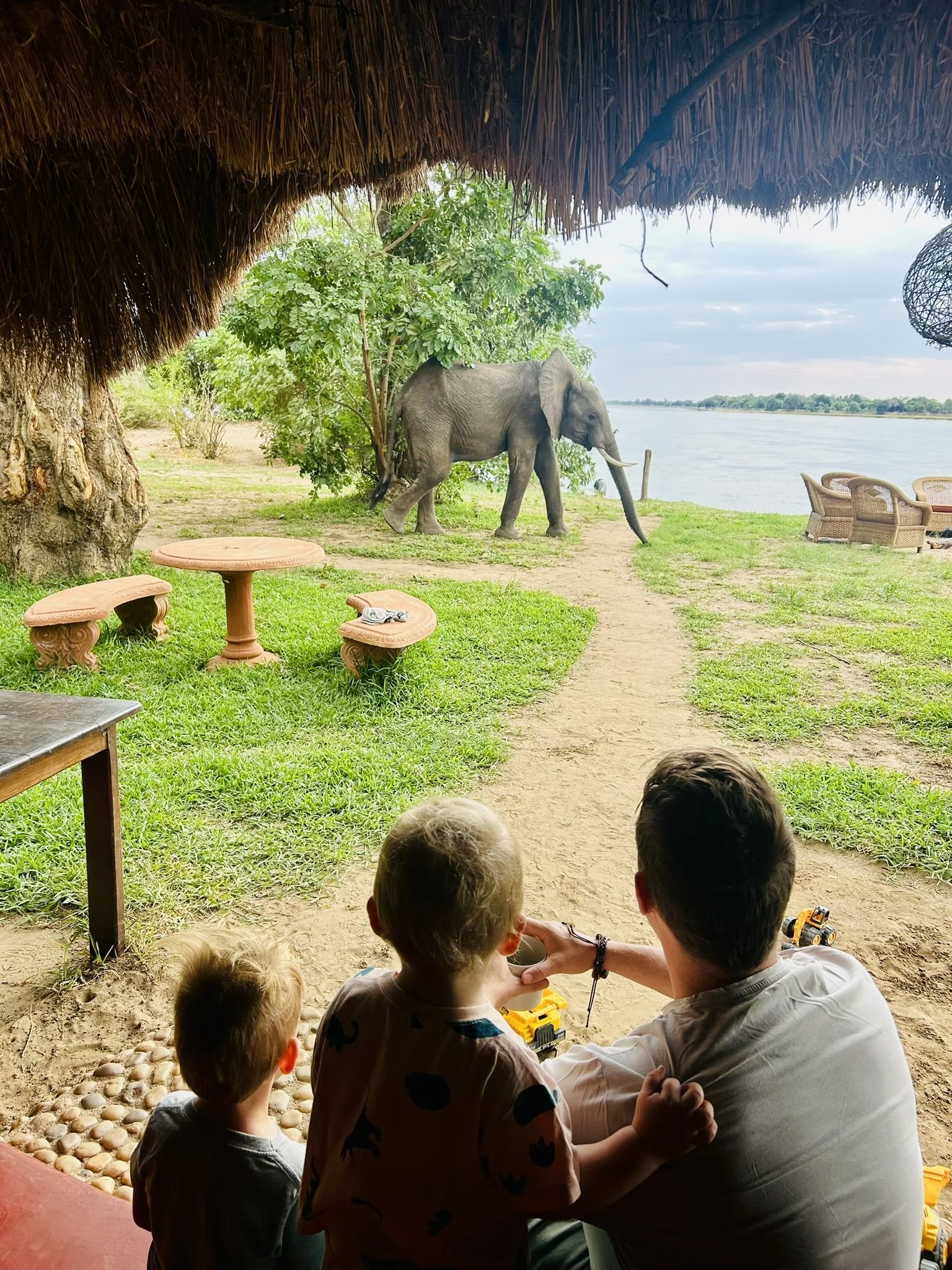
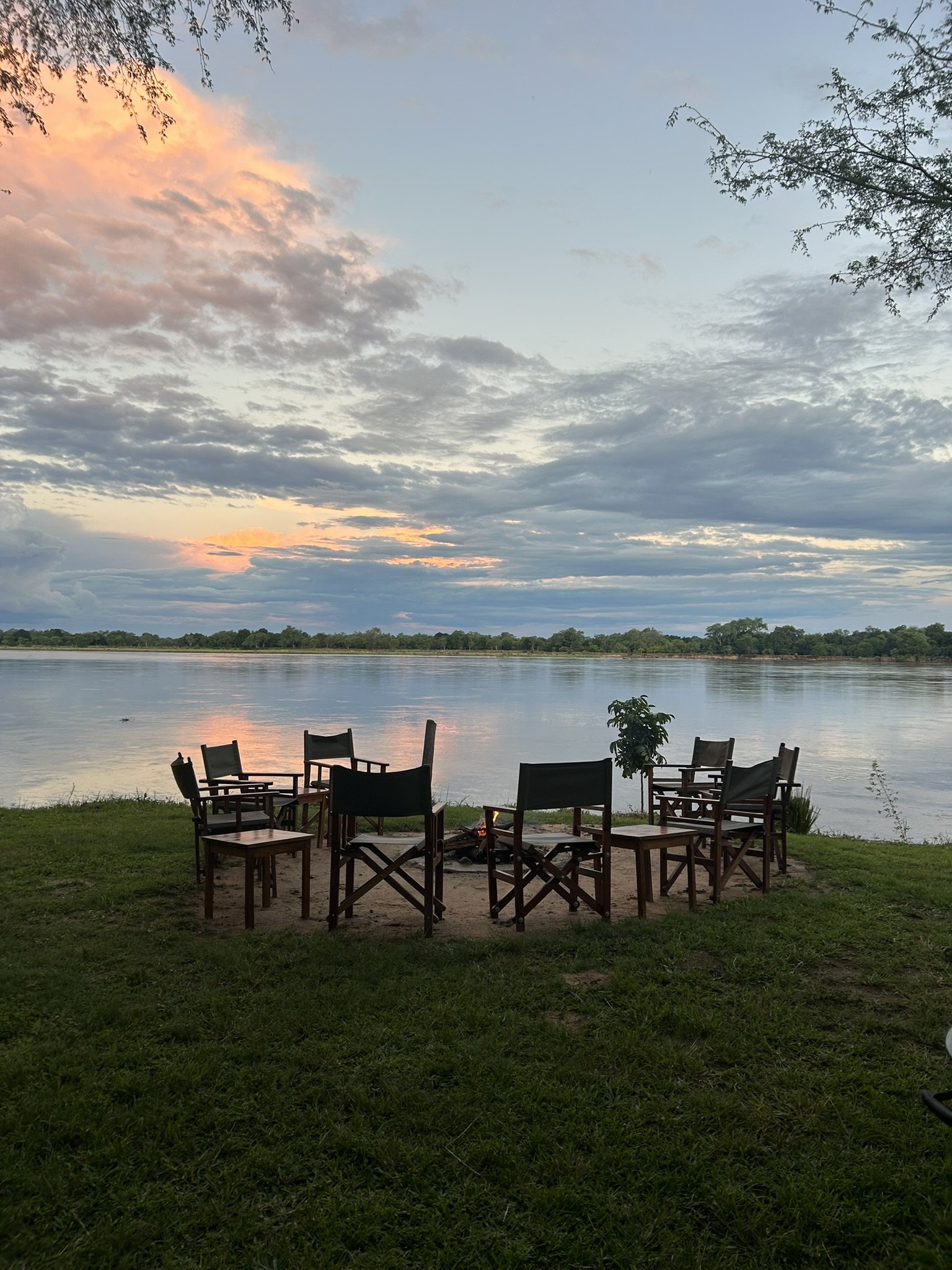
Accommodation: Tsika Island
