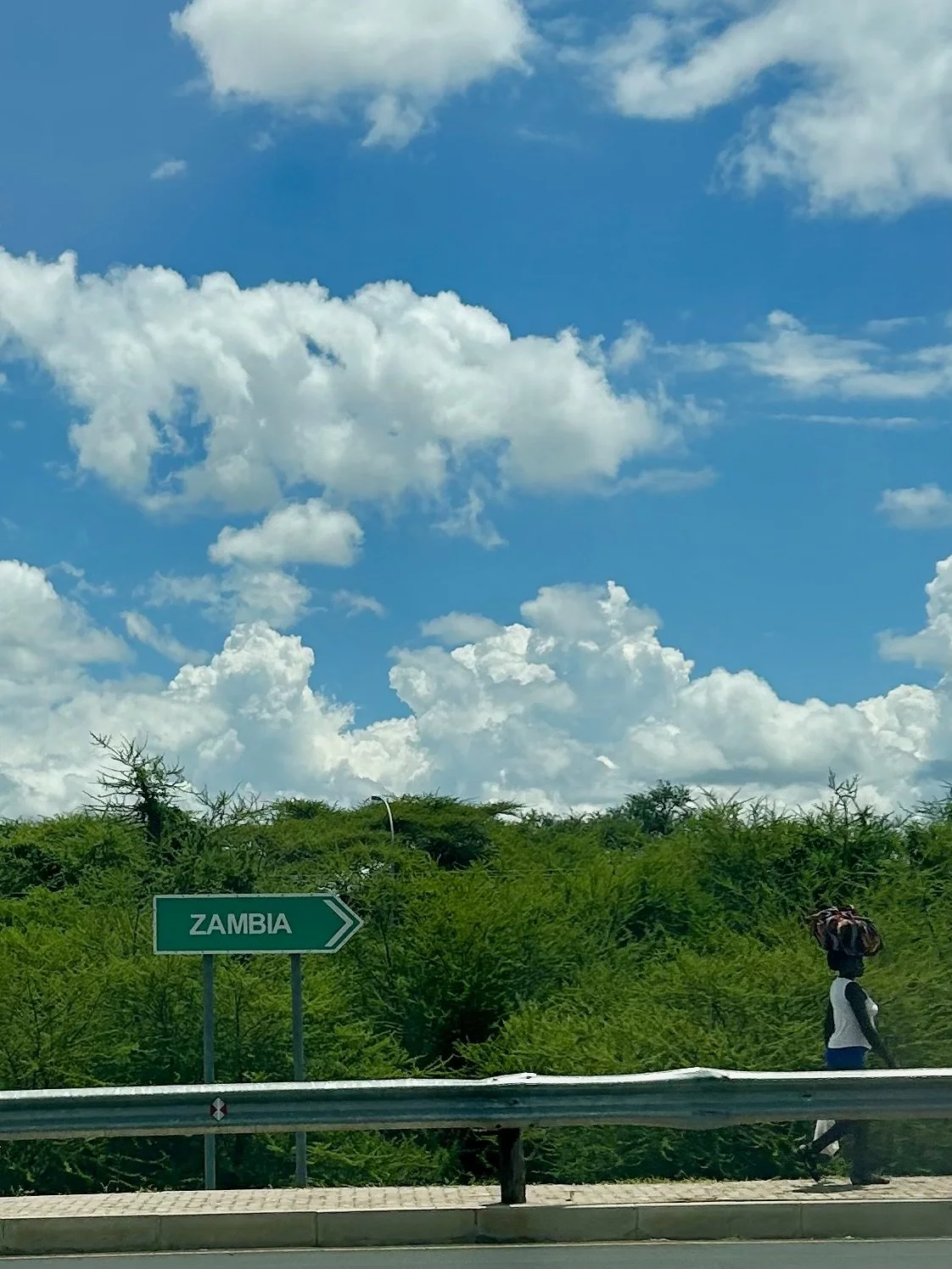
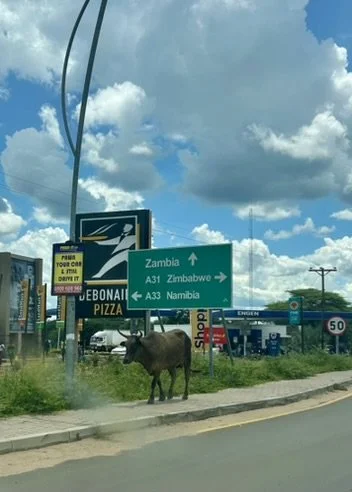
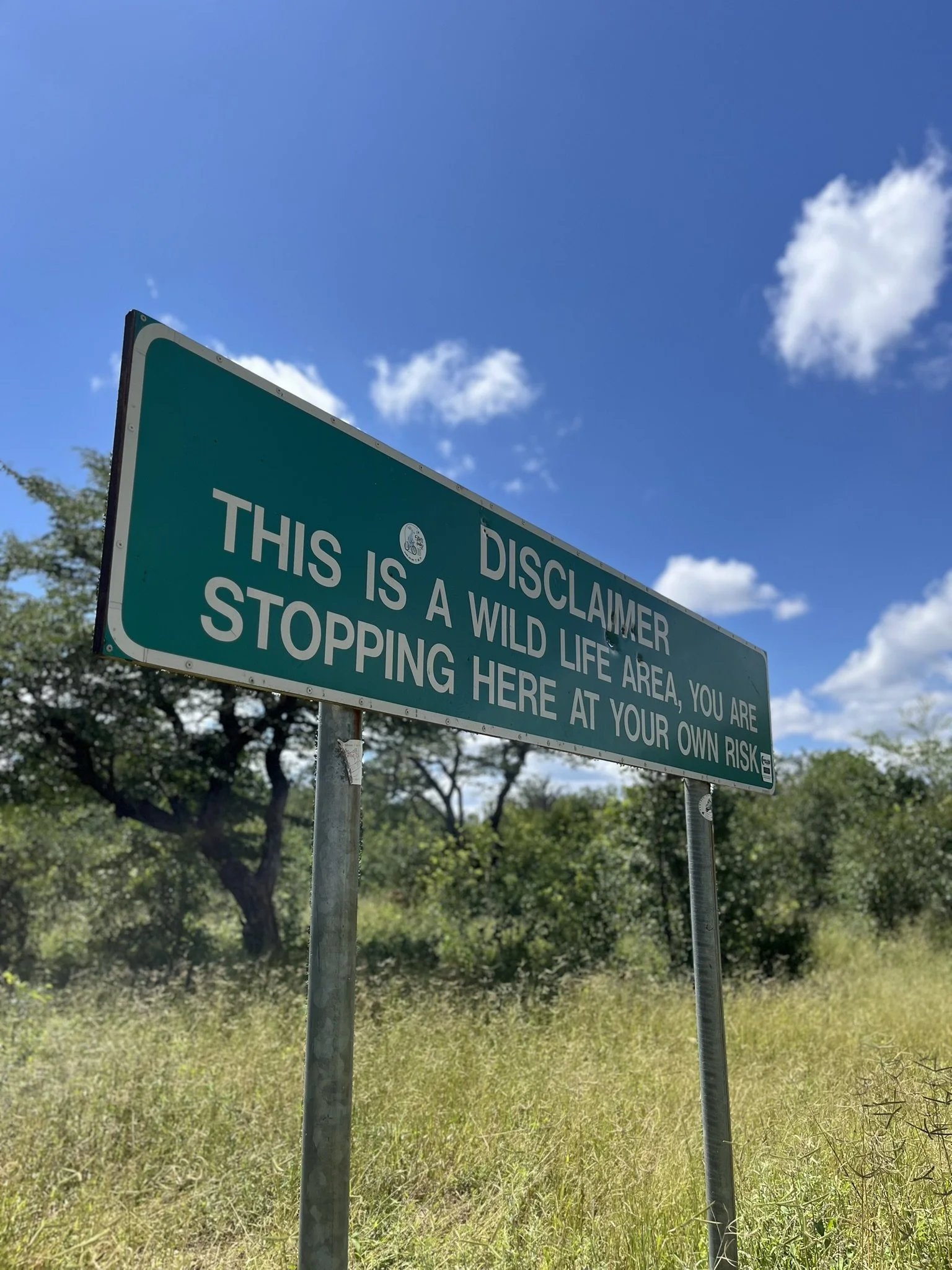
Welcome to Zambia: Where Google Runs Out of Answers
Instagram has trained us to believe that Africa arrives fully formed in a 30-second reel. A perfect sunset. A once-in-a-lifetime Big Five sighting. An icy glass of gin held just so, somewhere impossibly remote.
What rarely makes the edit is everything that comes before the sunset.
If you’re among the 0.001% of the population who own a plane or can casually charter a private jet this probably isn’t for you. But if, like most travelers, you rely on commercial flights, unpredictable schedules, rented vehicles, and the collective wisdom of strangers on the internet, then this is the Africa you actually move through.
Nowhere is the gap between fantasy and reality more obvious than in Zambia.
For a country that offers some of southern Africa’s most extraordinary landscapes - vast national parks, boundary less rivers, unfiltered wilderness, it has a surprising lack of practical, verifiable travel information. Not the glossy stuff. The useful stuff. The kind that tells you how to get somewhere, what will break along the way, and who to call when it does.
After living in Zambia for a year, I can say this with confidence: the most reliable source of information in the country is not a guidebook, tourism website, or influencer highlight.
It’s a WhatsApp group.
I don’t know the exact origins. I think it started with a handful of women getting together over a glass of wine, simply trying to make others feel welcome. Since then, it has grown into something far more essential.
Today, it’s the group of all groups.
Need to know where to find your latest Biscoff fix? Someone will answer within minutes. Looking for the best lodge within driving distance of Lusaka, complete with honest reviews and a detailed route map? It’s already been shared. Border crossing updates, tyre repair recommendations, fuel availability, mechanic referrals, last-minute accommodation leads; it all lives there, constantly updated and freely offered.
This is how travel really works in Zambia: through community, improvisation, and information that never quite makes it online.
Getting to Zambia isn’t difficult, but getting around it requires patience, flexibility, and a tolerance for uncertainty. Sometimes the Land Rover decides it’s not going anywhere. Roads deteriorate quickly. Distances look manageable on Google Maps until you realise that “four hours” assumes conditions that last existed sometime around 2014.
You learn quickly that local knowledge matters more than planning. That asking the question beats following itineraries. That the most accurate directions often arrive as a voice note forwarded three times, filled with landmarks that aren’t marked anywhere: “keep going over The Mother,” “call when you at the banana plantation,” “if the road disappears, you’re probably still on it.”
And yet, this is exactly what makes travelling here rewarding.
The journeys are slower and messier, but infinitely more memorable. You earn the destination. You talk to people along the way. You learn which advice to ignore and which messages to save. You discover that the best sightings don’t always come with a lodge logo attached.
Zambia doesn’t perform particularly well for the algorithm. It doesn’t reveal itself easily, and it doesn’t package neatly into reels. But if you stay long enough, if you stop chasing the highlight and start paying attention, it gives you something better than a perfect sunset.
It gives you perspective.
And occasionally, if you’re lucky, it gives you a message confirming that yes, the supermarket does, in fact, have fresh Avo’s today.